

Have you ever wondered how can I provide authentic, curriculum aligned, fieldwork experiences for my students to explore and investigate both natural and human-made environments? Nic Hall explains how Environmental and Zoo Education Centres can help…
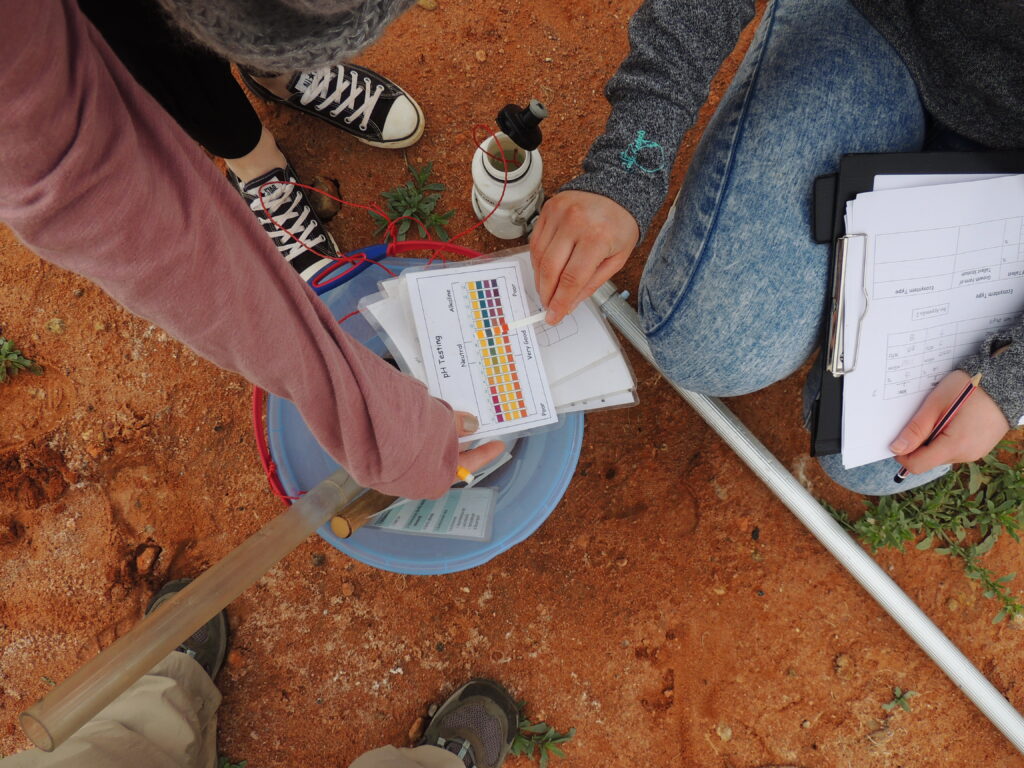
Imagine a school setting where students miss the opportunity to experience the engagement and curiosity that arises from learning in distinctive outdoor environments — a place where they are confined solely to traditional indoor classrooms, losing the chance to connect with the natural world, observe real-life examples, and develop a deeper understanding of their surroundings through hands-on experiences. Such an absence would diminish the richness of their educational journey, making learning more routine and less inspiring. As educators, we play a vital role in fostering a sense of wonder by integrating unique outdoor learning opportunities that enhance student engagement, passion, and motivation. The solution to this limited school experience lies in one of the NSW Department of Education’s best-kept secrets: Environmental Education Centres.
Currently, there are 25 Environmental and Zoo Education Centres (EZECs) spread throughout the state. These centres include 23 Environmental Education Centres (EECs) and two Zoo Education Centres — one located at Mosman (Taronga) and the other at Dubbo (Western Plains). Each site represents a wide range of environments, from urban to wilderness, coastal to inland, and rainforests to rangelands.
Environmental and Zoo Education Centres are at the forefront of environmental and sustainability education. They offer authentic, curriculum-aligned fieldwork experiences that allow students to explore, investigate, and gain a deeper understanding of both natural and human-made environments. Their programs help students grasp key concepts and systems while fostering values that inspire them to become environmentally responsible citizens.
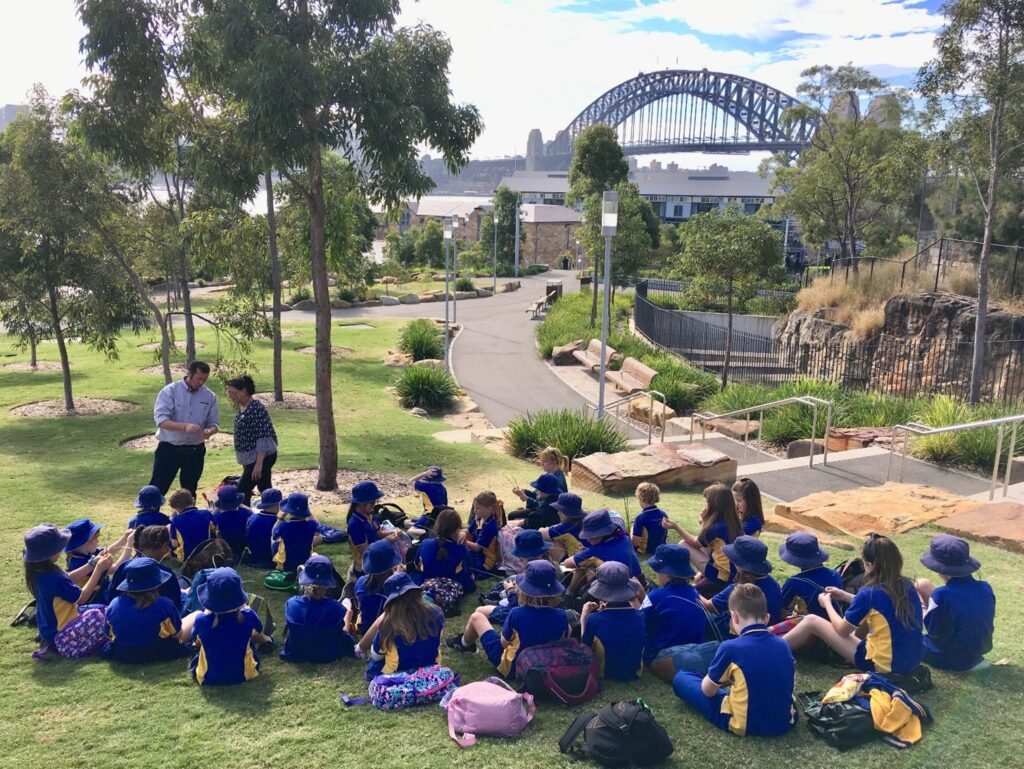
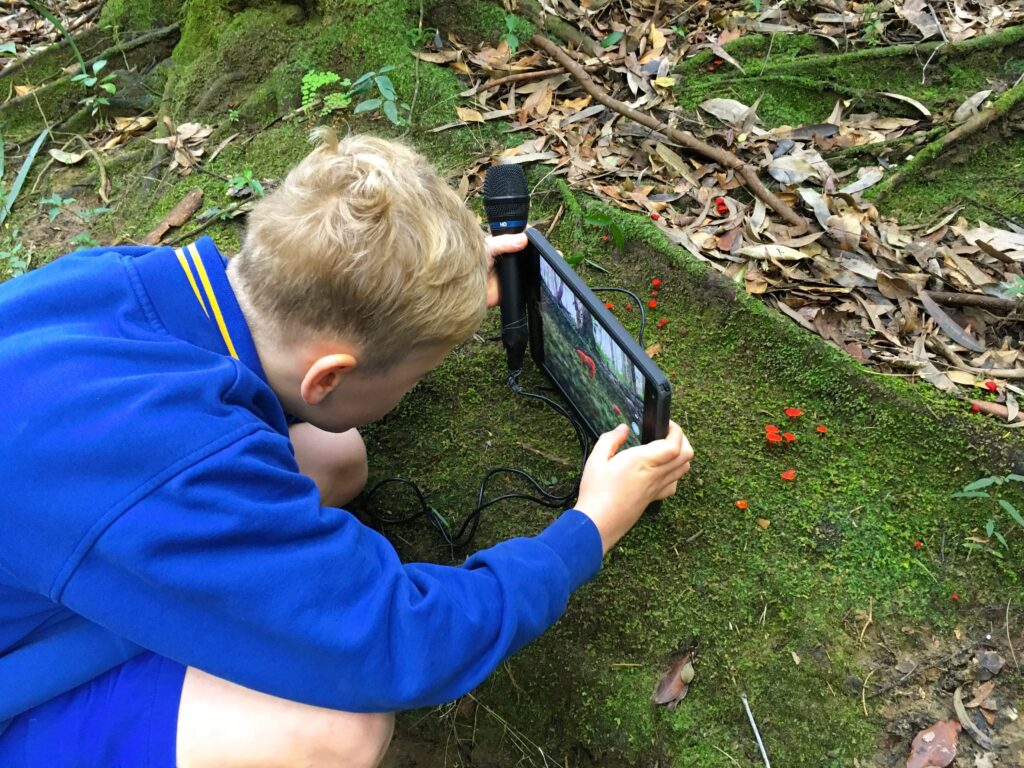
These centres form one of the largest ‘Communities of Schools’ within the NSW public education system. They deliver on-site and in-school programs for students from Kindergarten to Year 12, reaching an average of 300,000 students annually across both urban and regional NSW. Additionally, they provide professional learning opportunities to thousands of teachers statewide. Beyond curriculum delivery, schools participate in these programs to benefit from the wellbeing advantages of nature-based learning, an aspect that has gained importance following the COVID-19 pandemic. NSW EZECs support educational and wellbeing needs, promote sustainability, acknowledge Aboriginal histories and cultures and Torres Strait Islander histories and cultures, and serve rural and remote communities throughout NSW.
With the introduction of new syllabuses emphasising authentic, real-world learning experiences — such as the mandatory Stage 6 Science syllabuses — and the continuous growth in the number of schools, the centres are now more essential than ever in supporting students and staff across NSW. The first EEC was established in 1971 at Muogamarra Nature Reserve and welcomed its first school in 1972. Initially known as field study centres, they were renamed Environmental Education Centres in 1999, reflecting the evolution of environmental education from focusing solely on nature and conservation to encompassing broader concepts such as ecological sustainability and responsible citizenship.
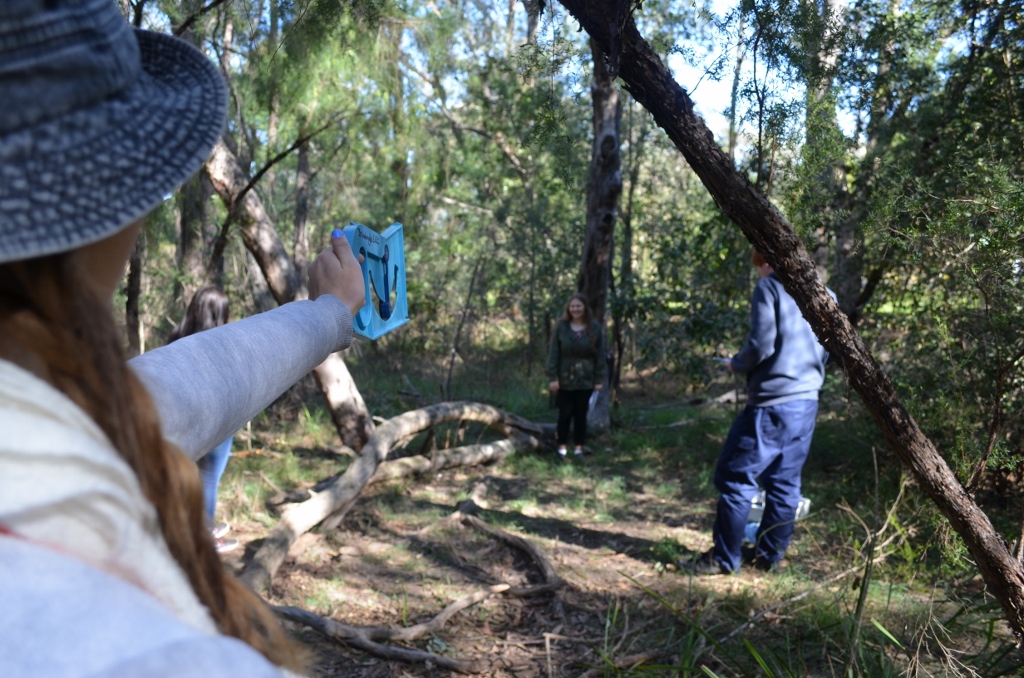
Learning experiences offered by EZECs complement classroom curriculum by providing immersive, experiential opportunities that enhance students’ conceptual understanding. Each EZEC site is staffed with highly qualified and experienced educators who exemplify best practices in environmental education. These professionals are adept at differentiating and facilitating authentic fieldwork that deepens students’ comprehension of complex ecological and sustainability issues while fostering critical thinking, inquiry, and a sustained passion for environmental stewardship.
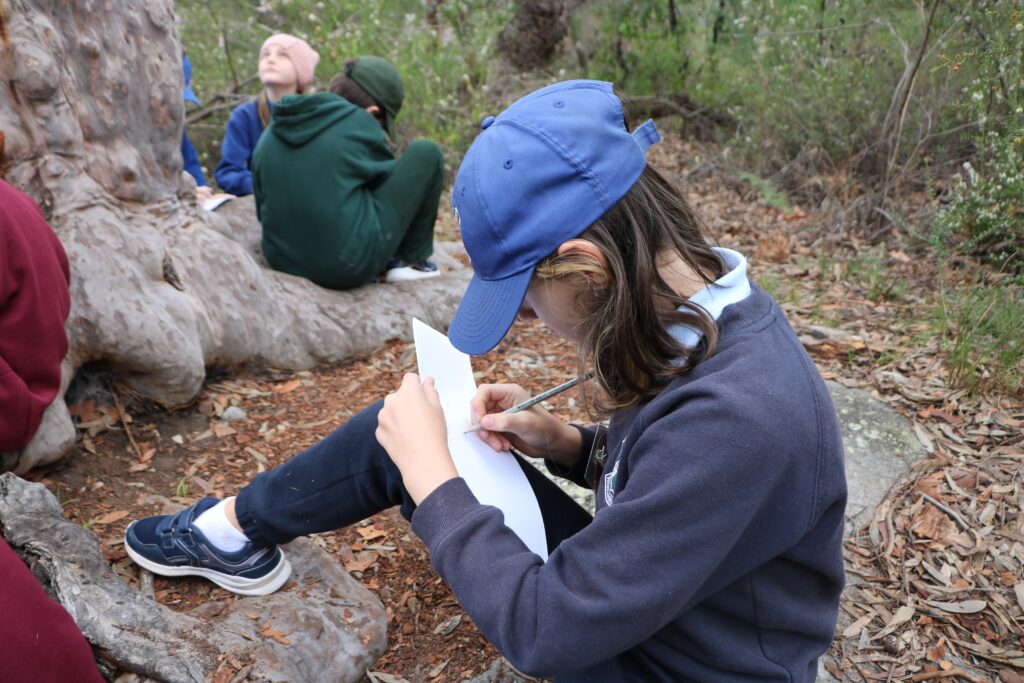
Programs at these centres are developed through strategic partnerships with key environmental agencies and local stakeholders, ensuring that the curriculum content is both scientifically rigorous and relevant. This collaborative approach enriches learning by connecting students with contemporary environmental challenges and community-based initiatives, cultivating a profound sense of responsibility and active citizenship that extends beyond formal education settings.
Environmental Education Centres provide comprehensive fieldwork experiences for students across all stages of schooling, supporting the achievement of outcomes across a variety of key learning areas. In addition to delivering student programs, the centres offer targeted professional development for educators and school communities, equipping teachers with the pedagogical skills and content knowledge necessary to embed sustainability and environmental principles effectively within their curricula.
Furthermore, Environmental Education Centres provide a range of support to teachers back in their schools and classrooms. These include class sets of teaching resources that can be loaned or borrowed, and practical tools designed to help educators integrate environmental education into everyday learning. The centres also offer expert guidance and support to schools in establishing environmental projects and transforming school grounds into dynamic outdoor learning environments that encourage ongoing student engagement and foster a lasting connection with the natural world.

Despite the demonstrable benefits and extensive reach of EZECs, many educators and schools across the state remain unaware or have yet to engage with these vital resources. Enhancing awareness and facilitating broader access to Environmental Education Centres is essential to ensure equitable opportunities for all students to benefit from high-quality, place-based learning taught through the lens of environment and sustainability. Strengthening this engagement will be critical to advancing the Department’s commitment to cultivating environmentally literate and responsible citizens equipped to meet future challenges.
To facilitate teacher engagement with Environmental Education Centres, the Department encourages educators to explore the extensive range of programs and professional development opportunities offered by EZECs. Educators can utilise the interactive map available on the Department’s website to identify their nearest Environmental Education Centre and access comprehensive information regarding available programs and supporting resources. Schools are encouraged to arrange visits, enquire about in-school offerings, or participate in specialised workshops aimed at enhancing teacher confidence and expertise in delivering environmental and sustainability education. Active collaboration with EZECs enables teachers to enrich student learning outcomes and cultivate a culture of environmental stewardship within their classrooms and broader school communities. Environmental and Zoo Education Centres represent a vital component of the education system and may provide the essential support needed to significantly enhance the student learning experiences for your students.
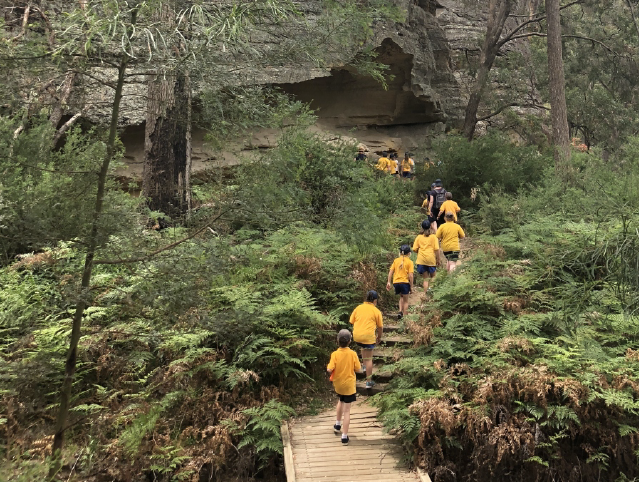
About the author
Nic Hall has dedicated over 20 years to public education across Sydney, beginning his teaching career at Green Valley Public School in Sydney’s south west. His professional journey was profoundly shaped when he discovered Environmental Education Centres, environments where his passion for outdoor education and student-centred, experiential learning could truly thrive.
Currently serving as the relieving principal of Camden Park Environmental Education Centre, Nic proudly works collaboratively with a diverse range of stakeholders—including educators, community organisations, and environmental agencies—to design and deliver innovative programs that enrich learning experiences for both students and teachers.
Nic aims to inspire students to connect meaningfully with the natural world and develop sustainable practices that will serve them throughout their lives. Nic considers his role not only a profession but a privilege, continuously striving to support and empower educators and students alike.